Shopify pricing 2026: plans, fees and the real cost of a Shopify website
Shopify pricing 2026: official plan prices (Basic, Grow, Advanced, Plus), payment fees, apps, theme, migration. At Nifty Link: €1,500 to €6,000.
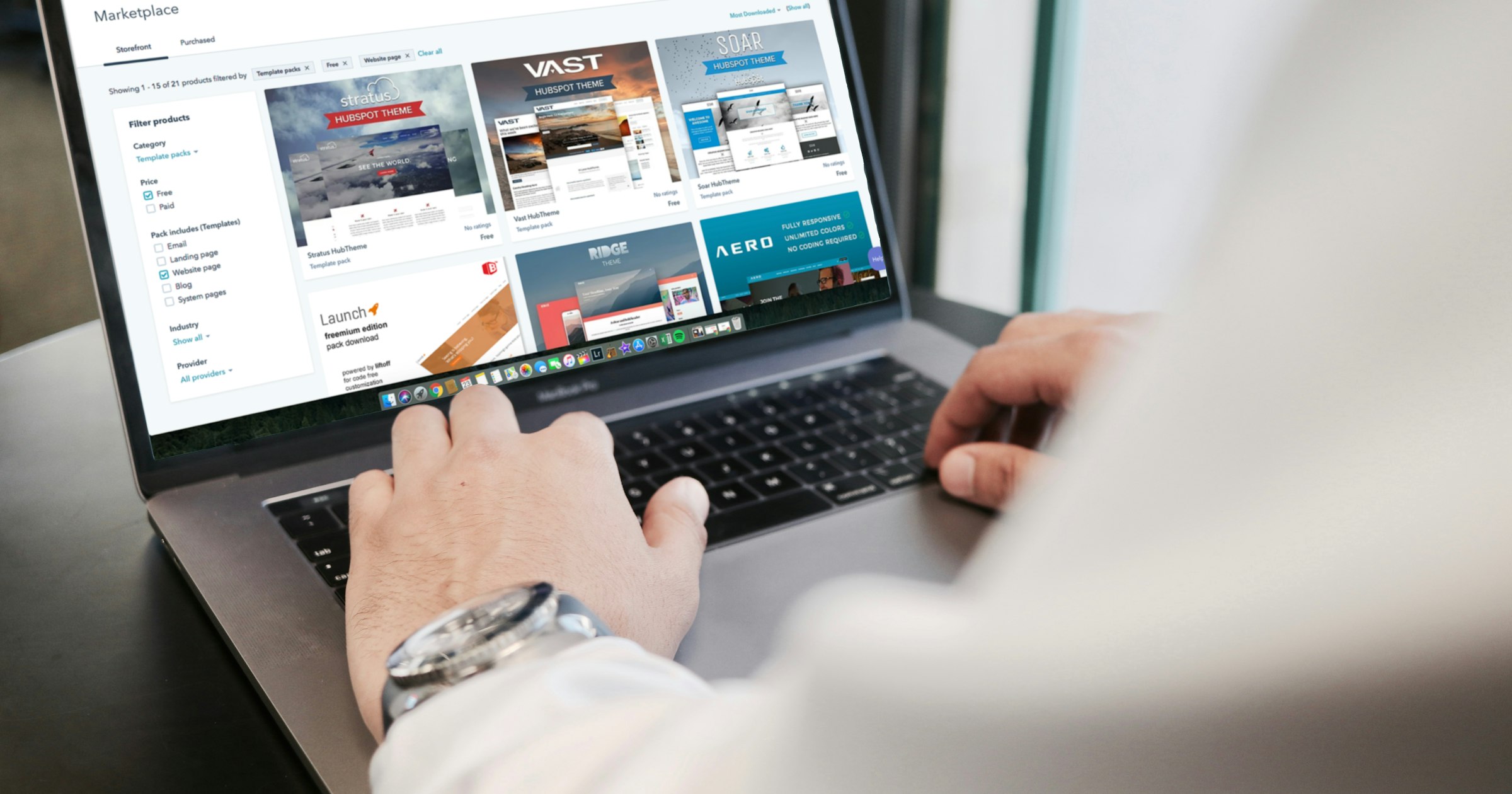
“How much does a Shopify website cost?” is the question we are asked most often. The honest answer: it depends on what you expect from the store. A brand launching its first products doesn’t have the same needs as a company that has to connect its ERP or sell in ten countries. Here is how a Shopify budget really breaks down, item by item, so you can reach a realistic figure before asking for quotes.
In short: at Nifty Link, a Shopify store costs between €1,500 and €6,000. The price depends on the features, the design ambition, a possible migration from another platform and the tools to connect.
Two families of costs: recurring and one-off
A Shopify website has two types of costs that you need to separate from the start:
- Recurring costs: the Shopify subscription, apps, transaction fees and maintenance.
- One-off costs: design, theme development, data migration and initial setup.
Many projects go over budget because only the one-off costs were planned. Over three years, recurring costs often weigh as much as the build itself.
Shopify plan prices in 2026
Shopify works on a monthly subscription. Here is the official pricing for France, as displayed by Shopify on 29 October 2026. Prices change regularly: always check Shopify’s pricing page before deciding.
| Plan | Billed monthly | Billed yearly (per month) | Online card fees (Shopify Payments) | Fee with a third-party payment provider | Staff accounts |
|---|---|---|---|---|---|
| Basic | €36 / month | €27 / month | 1.5% + €0.25 | 2% | — |
| Grow | €105 / month | €79 / month | 1.3% + €0.25 | 1% | 5 |
| Advanced | €384 / month | €289 / month | 1.1% + €0.25 | 0.6% | 15 |
| Plus | from €2,100 / month | — | 1% + €0.25 | 0.2% | unlimited |
Shopify also offers a discovery deal: a 3-day free trial, then €1 a month for 3 months.
Which plan should you choose?
- Basic: to launch a store and validate the market. No additional staff accounts.
- Grow: 5 staff accounts and lower payment fees. The right choice once sales become regular and several people run the store.
- Advanced: 15 staff accounts and the lowest fees outside Shopify Plus, for high-volume stores.
- Shopify Plus: for high volumes and advanced needs (B2B, automation, multiple stores).
On top of the subscription come payment fees on every order. Do the maths before upgrading: with €20,000 of monthly card sales, moving from Basic to Grow cuts card fees by 0.2 points, about €40 a month, for €52 more in subscription (billed yearly). At that level, the upgrade is justified mainly by staff accounts and features, not by fees.
The theme: off-the-shelf, adapted or custom
This is the item that makes the budget vary the most.
Free or premium theme from the Theme Store
Shopify offers free themes and premium themes, paid once (a few hundred dollars). It is the fastest way to launch a store. The limit: your website looks like many others, and any advanced customisation becomes laborious.
Premium theme adapted by an agency
We start from a solid theme and adapt it to your identity: typography, colours, specific sections, editorial pages. It is often the best value for money for a brand that is starting out. At Nifty Link, this is the starting point of our projects: from €1,500.
Custom theme
The design is created for your brand, then developed in Liquid. It is the option that offers the most freedom, the best performance and real differentiation. At Nifty Link, allow up to around €6,000 depending on features and a possible migration.
Apps
Apps add features: customer reviews, loyalty, subscriptions, upsells, translation, email marketing… Most are billed monthly. Individually they seem cheap; added up, they can represent a significant monthly budget and slow down the website.
Our rule: every app has to earn its place. When a feature is simple, it is often more cost-effective to build it into the theme once and for all than to pay a subscription forever.
Data migration
If you are coming from WooCommerce, PrestaShop or Magento, you need to migrate products, customers, orders and content, and above all set up 301 redirects so you don’t lose your search rankings. It is an often underestimated item: a botched migration can make organic traffic drop for months. We explain the method in our WooCommerce to Shopify migration checklist.
Business integrations
ERP, CRM, logistics, marketplaces, accounting tools: as soon as the store has to exchange data with other software, the budget goes up. Some integrations exist as ready-made apps, others require specific development. This is the item to scope most precisely before signing.
Maintenance and improvements
A store is never “finished”. New collections, promotions, app changes, conversion optimisation: plan an annual improvement budget, or a maintenance plan with your agency.
Three budget profiles
To help you find your bearings, here are three typical profiles we come across. At Nifty Link, our Shopify projects range from €1,500 to €6,000, and each one gets a precise quote.
- Launch: adapted premium theme, simple catalogue, a few essential apps. Goal: start selling fast and validate the market. From €1,500.
- Established brand: custom design, editorial content, international selling, conversion optimisation. Goal: stand out and increase average order value. Between €1,500 and €6,000 depending on features.
- Full project: custom design, migration from another platform, integrations (payments, logistics, business tools). Goal: move up a level without starting from scratch. Up to around €6,000.
The traps that blow up the budget
- A vague brief: every omission becomes an extra during the project.
- Too many apps: high monthly cost and a slower website.
- Neglecting SEO during migration: lost traffic costs more than redirects.
- Choosing on price alone: a store that doesn’t convert remains an expense, not an investment.
How to get a reliable quote
Prepare a clear list: number of products and variants, target markets, payment methods, tools to connect, examples of websites you like, and your 12-month business goal. With these elements, an agency can quote precisely and without nasty surprises.
At Nifty Link, a certified Shopify Partner, we set the budget after a free 30-minute call: book your free audit.
Frequently asked questions
How much does a Shopify website cost at Nifty Link?
Between €1,500 and €6,000, depending on the features, the design ambition, a possible migration from another platform and the tools to connect. The quote is drawn up after a free 30-minute call.
Can you build a Shopify store yourself?
Yes. With a Theme Store theme and a few apps, you can launch a store on your own. An agency becomes useful when you want a strong identity, a migration without SEO loss, business integrations or advanced conversion optimisation.
Is Shopify more expensive than WooCommerce?
Not necessarily. WooCommerce is free, but hosting, security, plugins and maintenance all have a cost. Shopify includes hosting and security in the subscription. The comparison should be made over three years, including recurring costs.
How long does it take to build a Shopify website?
Allow about 4 weeks for a well-scoped project based on an adapted theme, and 8 to 12 weeks for a custom design with integrations.
How much is a Shopify subscription in 2026?
According to the official pricing checked on 29 October 2026: Basic at €36 a month (€27 billed yearly), Grow at €105 (€79), Advanced at €384 (€289) and Shopify Plus from €2,100 a month. Payment fees come on top, from 1.5% + €0.25 to 1% + €0.25 per online card payment depending on the plan.

Founder of Nifty Link, a Paris web agency specialising in Shopify and WordPress. Certified Shopify Partner, 50+ projects delivered.
Learn more